The Pekoe Trail Company
A Sri Lankan not-for-profit that owns no land, pays no dividends, and exists to keep a 300 kilometer trail open for the people who walk it and the communities who live beside it.
How the trail was created
Who the members are
The board
The Steering Committee
Where the money goes
In brief
The project, and then The Pekoe Trail Company
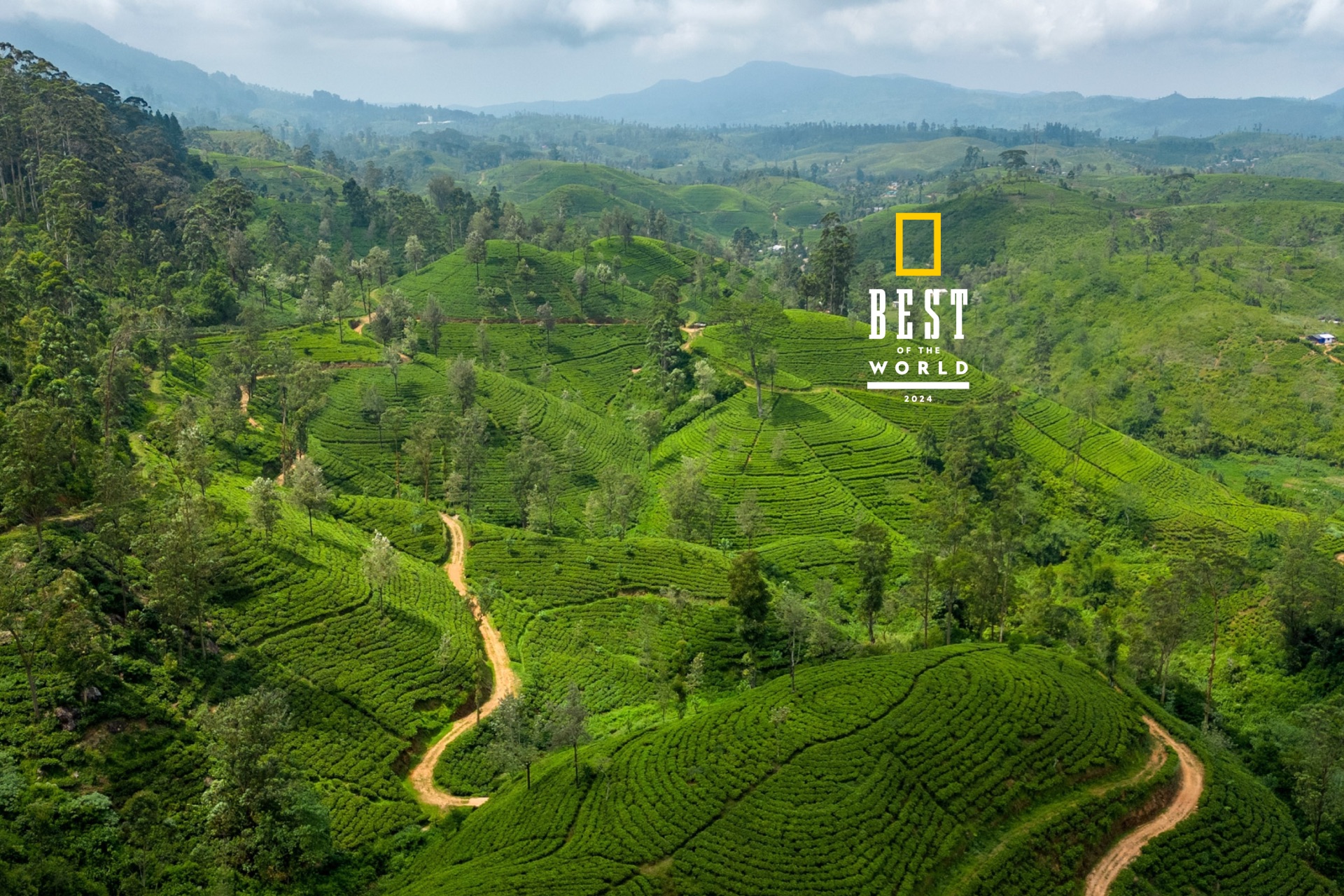
The Pekoe Trail was designed under the Tourism Resilience Project, a three year programme funded by the European Union with support from USAID, to help Sri Lanka’s tourism sector recover after the pandemic and the economic crisis. Between 2021 and 2024 the project’s consultants mapped and linked existing estate tracks, village footpaths and heritage routes into one continuous 300 kilometer trail, built the first signage and the app, and ran the international launch that put the trail on lists such as National Geographic’s Best of the World.
Donor projects end. This one ended in 2024, and the European Union Delegation required that the trail’s name, route, brand, website and app be handed to a dedicated, not-for-profit destination management organization that could sustain the trail without further aid. The Pekoe Trail Company was incorporated in April 2024 for that purpose. It is a separate legal entity from the project, and it has received no government or donor funding since.
A guarantee company with two members
The Pekoe Trail Company is a company limited by guarantee under Sri Lanka’s Companies Act. A guarantee company has no shares and no shareholders. Instead it has members who guarantee a nominal sum if the company is ever wound up. Nobody can sell it and nobody can take a profit out of it. Any surplus stays inside the company to be spent on its purpose.
The Pekoe Trail Company has two members, chosen so that neither the landowners nor the tourism industry can control the Company alone.
Pekoe Trail DMO Ownership Organization (GTE) Ltd
A guarantee company formed by the regional plantation companies whose estates the trail crosses. Current members are Kelani Valley Plantations PLC, Talawakelle Tea Estates PLC, Horana Plantations PLC and Elpitiya Plantations PLC, with further companies in the process of joining.
Sri Lanka Tourism Alliance (GTE) Ltd
A private sector, not-for-profit body that brings together the country’s leading tourism brands and practitioners. It represents the demand side of the trail and the standards hikers expect.
The Pekoe Trail Company owns intellectual property only: the name and logo, the maps and mapping data, the website and the app. It owns no land. Every meter of The Pekoe Trail sits on estate, state, forest or village land, and the trail stays open because its landowners agree to it.
Board of Directors
All directors serve unpaid. The Sri Lanka Tourism Development Authority is deliberately not represented on the board, so that the regulator of tourism and the operator of the trail remain separate.
Dr Roshan Rajadurai
Geeth Kumara
Malik J Fernando
Pramudith Thenabadu
Manjula Rathnayake
Yadarshi Selvarajah
Government Steering Committee (advisory)
Since 12 November 2025 a Government Steering Committee has advised The Pekoe Trail Company. It is chaired by the Minister or Deputy Minister in charge of Tourism and convened by the Additional Secretary (Tourism) at the Ministry of Foreign Affairs, Foreign Employment and Tourism. Its members are the secretaries of six ministries, the heads of SLTDA, SLTPB and SLITHM, the departments responsible for wildlife, forests, railways, roads, heritage, environment and planning, and the five main tourism industry associations.
The committee is advisory. It helps government agencies coordinate on matters that cross agency lines. The Pekoe Trail Company is governed by its own board and shares its audited financial statements with the committee on request.
Full Steering Committee membership
How The Pekoe Trail Company is funded and what it spends on
The Pekoe Trail Company is funded by voluntary trail pass contributions, Friends of the Trail memberships, partnerships with travel companies, donations, sponsorships for specific community projects, and a small amount of merchandise. Its core operations run without donor programme funding, and it receives no recurring government funding. All of it goes to six things.
Infrastructure and Trail Maintenance
Signage, waymarking, clearing, rest points, drainage and waste facilities.
Community Engagement and Development
Guide training, homestay networks, community vendors and local income.
Conservation and Preservation
Habitat and biodiversity protection, keeping tourism’s footprint small.
Promotion and Marketing
Bringing hikers to the highlands and spreading them across all 22 stages.
Stakeholder Coordination
Estates, agencies, communities and the hiking community in one conversation.
Financial Sustainability
Staying self funding so the trail never again depends on a single sponsor or programme.
Accounts are independently audited each year and provided to the Steering Committee and other relevant authorities on request.
Who does the work
A small management team in Colombo runs operations, partnerships, finance, technology and visitor support. Area coordinators along the route are the first point of contact for estates and communities and the first to report a washed out path or a missing sign. Community guides lead hikers through their own landscapes. Destination management partners handle commercial tours and Signature Experiences under The Pekoe Trail Company’s standards.
A walking trail
The Pekoe Trail is a walking route. Landowner permission covers walking; cycling is allowed only where marked. Everyone on the trail follows the trail policies, which cover responsible use, landowner agreements and conservation. Trail Policies
Keep it open
The trail belongs to everyone who walks it and everyone who lives along it. Every contribution, membership and partnership funds the running and upkeep of the trail: the team, path maintenance, signage, the app and visitor services.